Audio / Buying guide
Find the right noise-canceling headphones
Comfort, isolation and portability matter as much as sound. Here’s how to weigh them for your commute, desk or next flight.
 2 min read

Start with the noise around you
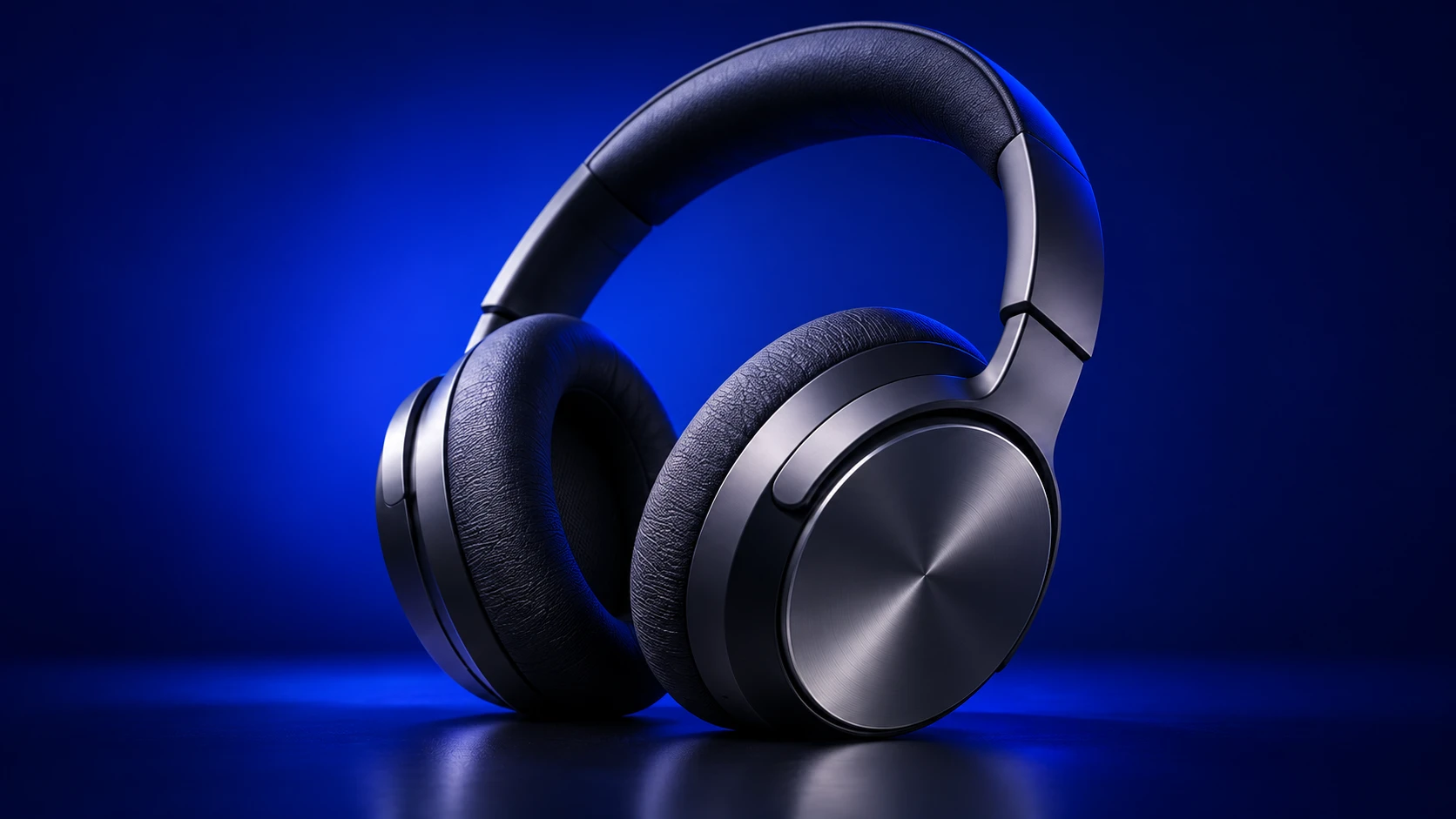
Make a short list of where you actually listen. A steady hum from a plane cabin and a nearby conversation are different problems. Read reviews that describe the same environments you use. If voices are your main frustration, pay close attention to how the cushions seal and whether the headphones still feel good with glasses. You can also check whether the transparency mode sounds natural enough for brief conversations.
Put comfort ahead of the feature list
Try the headphones for the length of a normal listening session if possible. Check for pressure on your jaw, a hot spot on top of your head and heat around the cushions. A pair that feels good for five minutes in a shop may feel different after an hour. If you plan to take calls, record a short voice memo in a shared room and listen back for clarity.
Think through the bag test
Check how the pair fits with everything else you carry. A folding hinge can save space, while flat-folding ear cups can be easier to slip into a laptop sleeve. Look up the exact case dimensions if you travel with a small bag. Check charging options and whether you can connect via cable when you need to.
Pros
- Over-ear cups leave room for larger cushions.
- Active noise cancellation can reduce steady background sound.
Cons
- Full-size headphones take up more bag space than earbuds.
- Fit and warmth can become more noticeable over longer sessions.
Who it suits
Commuters, frequent flyers and desk listeners who want comfortable isolation for longer sessions.
Conclusion
Shortlist models for fit and noise control in the places you use them. Then compare sound, call quality and packability on the same terms.
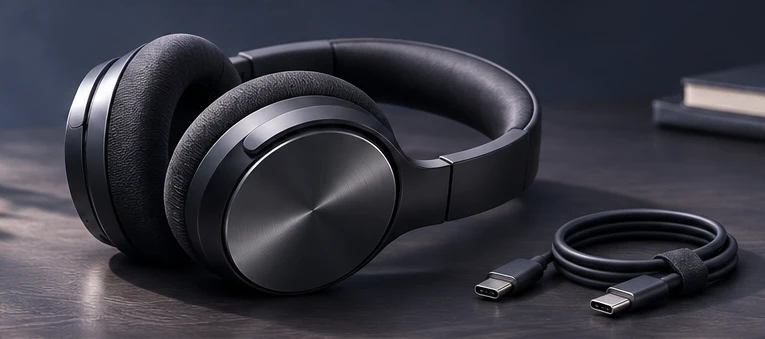
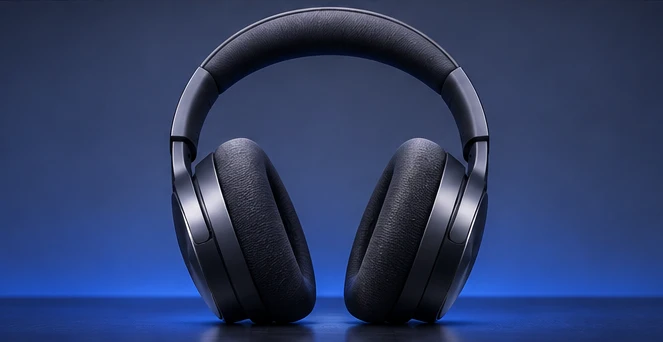
AI-generated illustrations show the product category.